

Money and the Holidays
Finding peace (and balance) where money, mental health, and the holidays collide. Why the Holidays Can Feel So Complicated The holidays have a funny way of stirring up joy and anxiety at the same time, especially when money is involved. We’re surrounded by images of perfect gatherings, expensive gifts, and effortless generosity, but behind the scenes, many of us are doing math on our phones, juggling guilt, or quietly panicking about credit card balances. For [read more]

Mother’s Day Grief
For some of us, Mother's Day is not a celebration. It's a tender bruise we carry into brunch invitations and Instagram tributes. It aches in the grocery store card aisle and pulses when we scroll past smiling photos of mothers and daughters who still call each other every Sunday. It's complicated grief. It's guilt and longing and rage and deep, bone-level sadness. I sent my mother a card this year. A generic one. One that [read more]

What Depression Really Feels Like
Depression doesn’t always look how people expect. It’s not just feeling sad. It’s not always crying in bed or dramatic movie scenes. Sometimes it looks like going through the motions with a smile no one questions. Other times, it feels like everything has stopped: your energy, your interest, your hope. What It Feels Like to Be Depressed Depression drains you. It makes everyday tasks feel impossible. Your to-do list becomes overwhelming. Even basic things like [read more]

Depression
Feeling Stuck? Let’s Talk About Depression Everyone feels down sometimes. But depression is more than sadness. It’s a heavy fog that makes it hard to function, connect, or even get out of bed. If this sounds familiar, you’re not alone, and you don’t have to keep feeling this way. What Depression Can Look Like Depression doesn’t always look like tears. It can show up as: Exhaustion, even after sleep Loss of interest in things you [read more]
Protest Safety
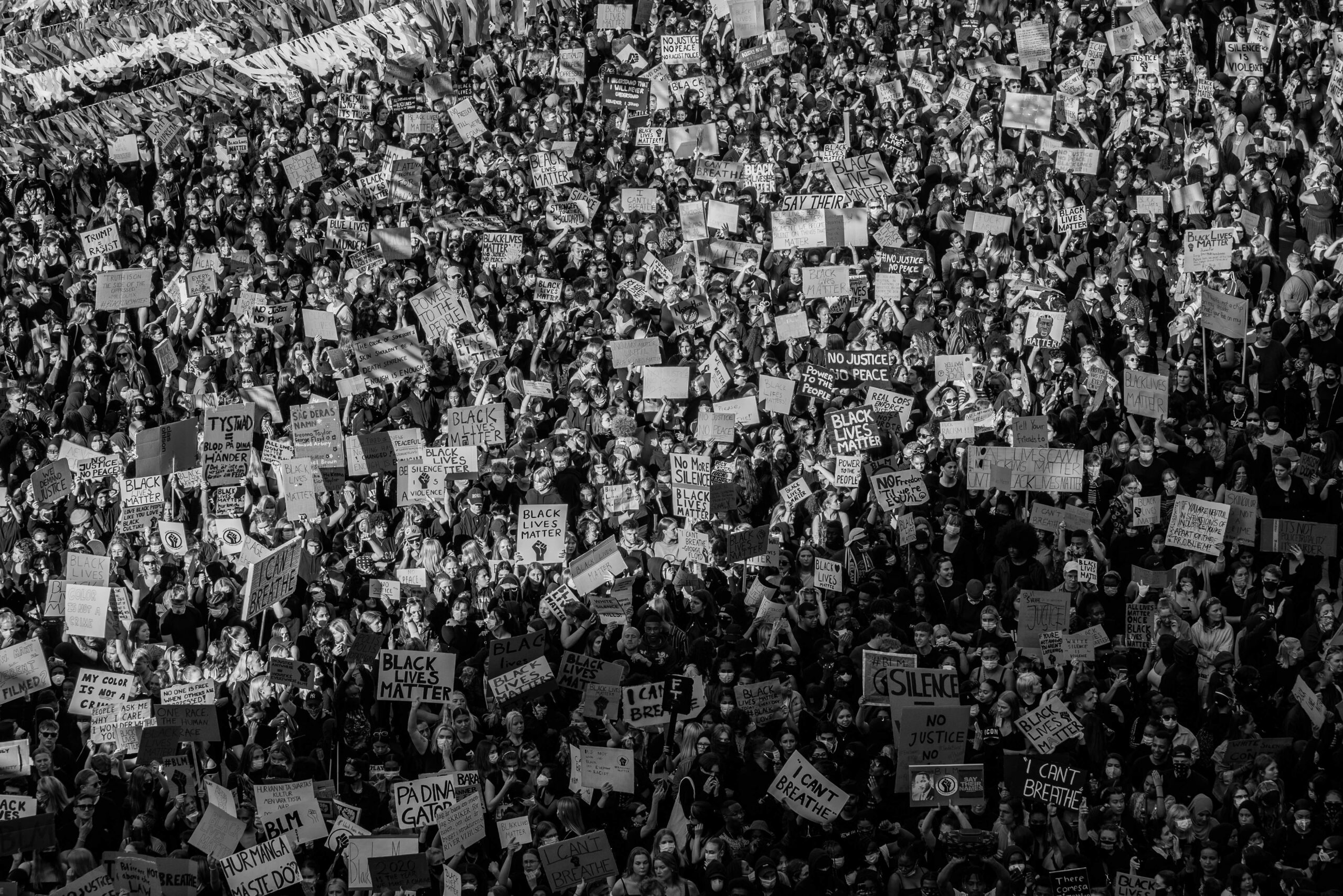
Our community is standing up for what’s right. If you are new to protesting, knowing how to stay safe and prepared is essential. Follow these protest safety guidelines to ensure a meaningful and secure experience. Before the Protest Know Your Rights – You have the right to peaceful assembly. Read up on local laws and what to do if you're detained. The ACLU of Colorado provides helpful resources. Dress Smartly – Wear comfortable, weather-appropriate clothing. [read more]
Untangling Emotions and Family Ties
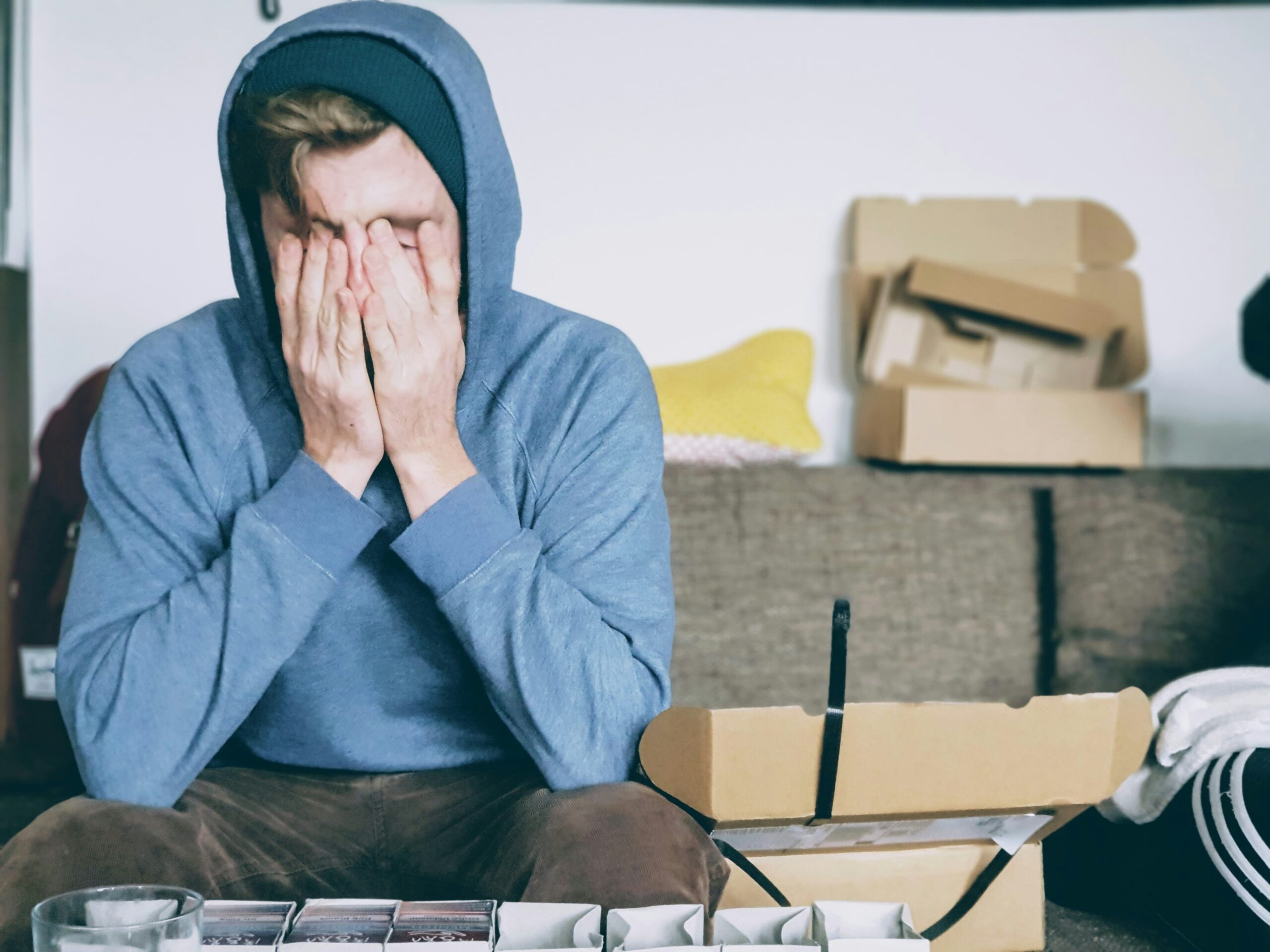
Your emotions feel overwhelming. Maybe they hit like a tidal wave, or maybe they simmer under the surface until they explode. Either way, they feel like too much. Emotions and family are intricately intertwined. Growing up, your parents may have dismissed your feelings, made you feel guilty for having them, or taught you that certain emotions were “bad.” Now, you struggle to regulate them, set boundaries, or even trust yourself. You’re not alone. Many adults [read more]